It’s easy to condemn artificial intelligence in principle. The harder question is what that condemnation asks of us in practice.
Opposing artificial intelligence is easy when the argument stays abstract. It becomes harder when the question turns personal: What are you doing to avoid it?
The question matters because technology has never simply arrived and erased human creativity. It has changed who can create, what tools they can use, and how easily their work can reach an audience.
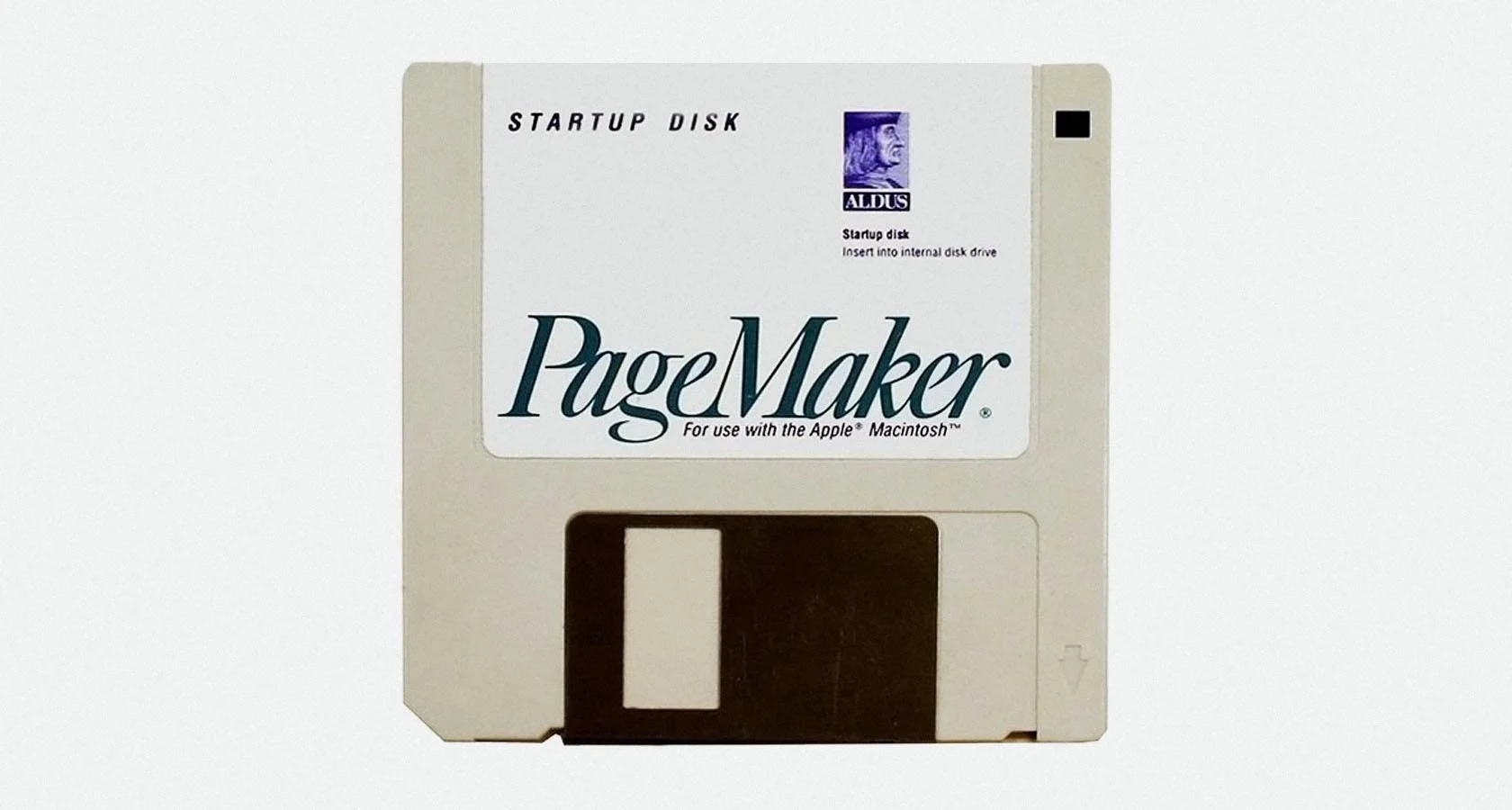
In 1985, desktop publishing brought together a personal computer, PageMaker, and a laser printer. A person who once had to rely on specialized production services could now combine text and images into a finished publication on a desk. The Computer History Museum traces that shift. Music was changing, too: MIDI, introduced in 1983, let electronic instruments communicate, and computer-based recording tools soon made editing and arranging more accessible. Yamaha’s history of digital audio workstations follows that path into the 1990s.
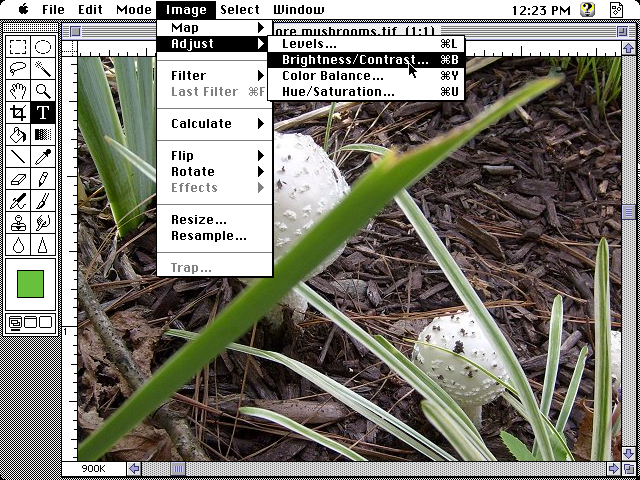
Then came tools such as Photoshop, released in 1990, and digital audio workstations that let artists revise images and recordings without starting from scratch. Adobe’s account of Photoshop’s development describes capabilities that expanded over time, including layers that let users work on separate parts of an image.
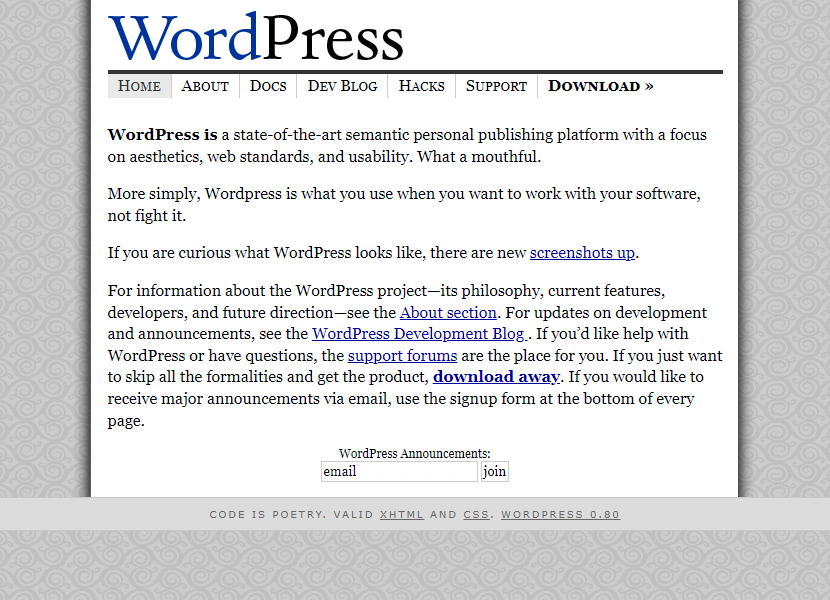
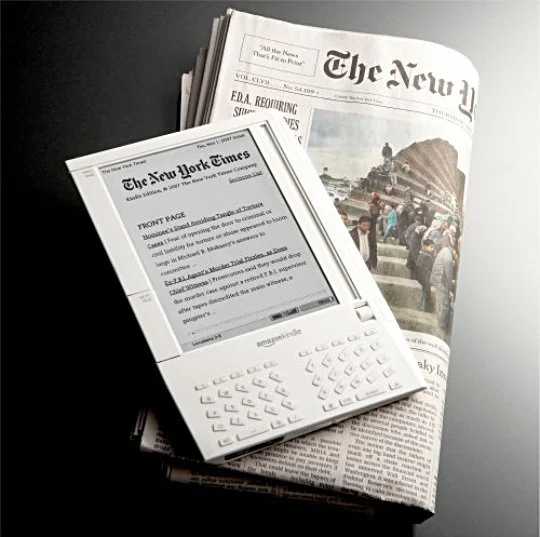
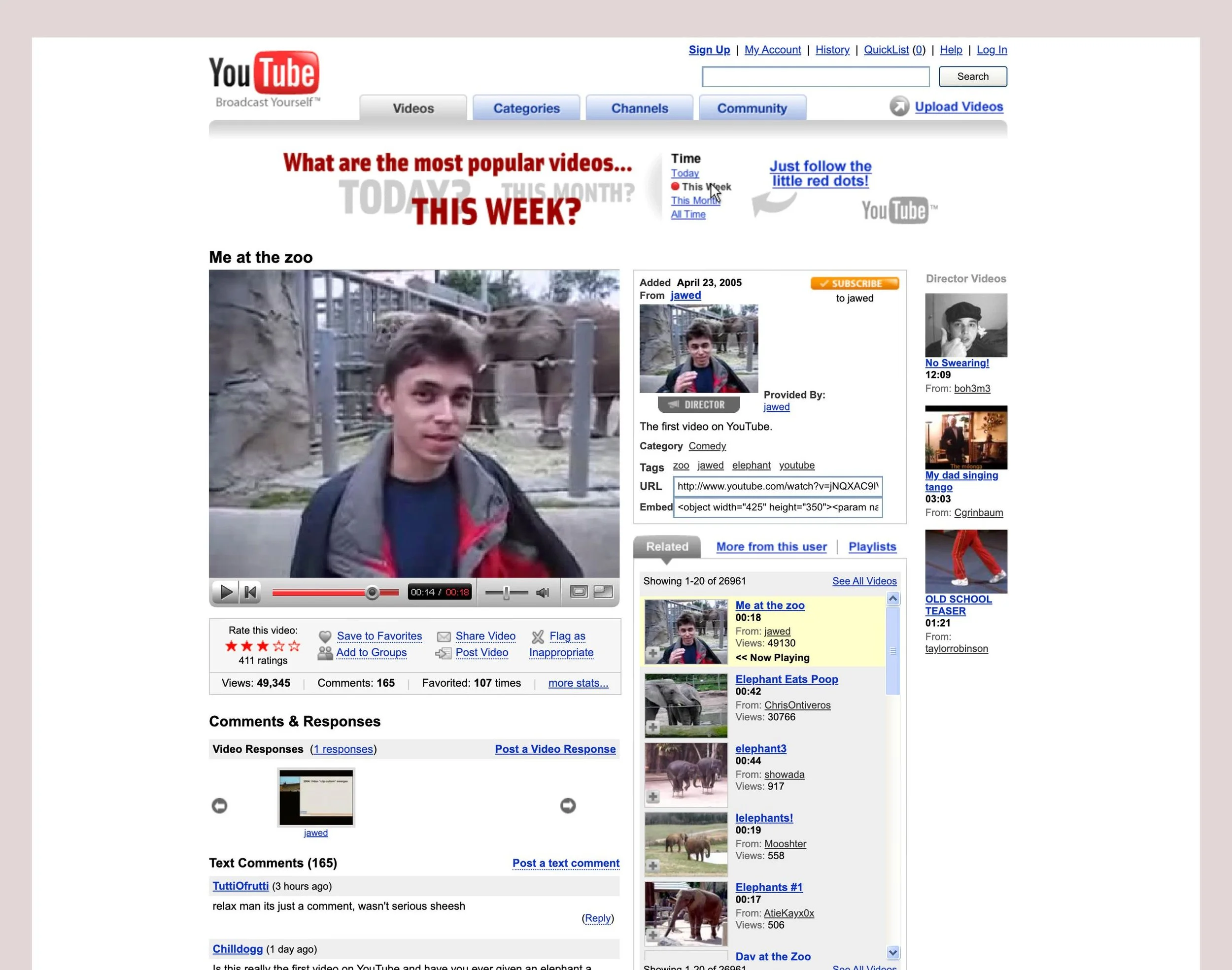
In the 2000s, publishing moved online. WordPress launched in 2003; Amazon introduced Kindle and a self-publishing tool in 2007; YouTube gave people a new way to upload and share video. WordPress · Amazon · YouTube
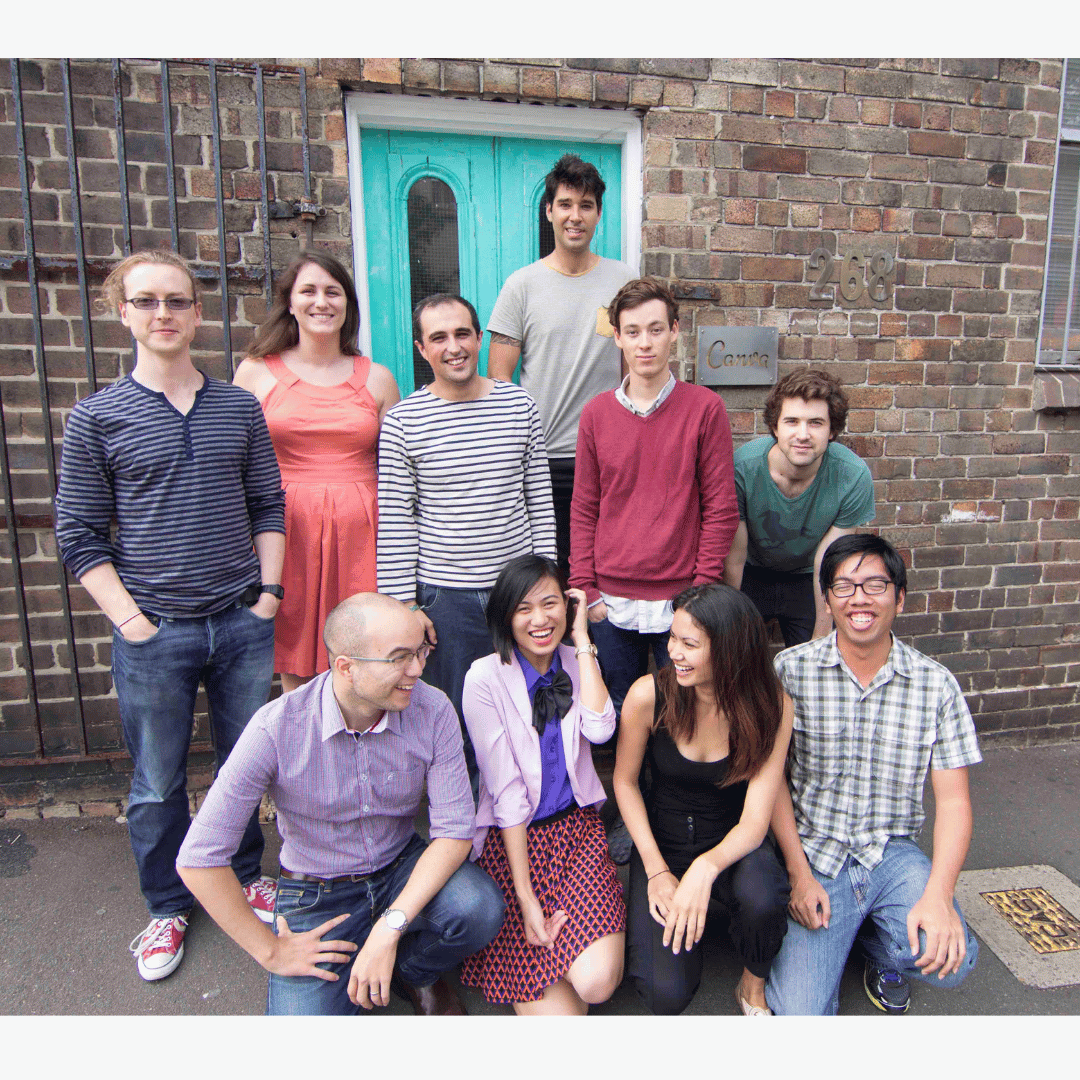
In the 2010s, mobile cameras and design platforms made it easier to create and distribute posters, photos, and videos. Canva launched in 2013; Instagram became a place where people shared work and helped shape culture. Canva · Instagram


Those tools did not make every user an artist, musician, author, or filmmaker. They did lower barriers. People still brought the ideas, made choices, revised, selected, performed, and decided what to share.
Generative AI raises a different question because it can produce text, images, and audio from instructions. The human role can vary widely: someone may direct and revise every step, or accept an output with little involvement. That difference deserves serious attention. But it makes precision more important, not less.
If someone opposes all AI, their position should reach their own habits. Have they looked into the tools and services they use? Have they tried to avoid AI where they can? If they have not investigated, their certainty outruns their effort. If they have investigated and still use AI, they should explain the boundary they’ve drawn.
There is a real difference between opposing AI altogether and opposing particular uses: surveillance, deceptive impersonation, displacement without accountability, or systems trained and deployed without adequate consent. A person can object to those practices while using other AI tools. But that is a specific position. It is not the same as saying AI itself must be rejected.
We have used AI in developing this argument. That does not make us exempt from the question; it puts us inside it. We should be clear about the tool we used and honest about our own choices. The same standard applies to anyone who argues against AI while relying on it.
The test is not whether a person has achieved a perfectly AI-free life. It is whether their actions match the scope of their claims. If you oppose AI, tell us what you are doing to avoid it. If you oppose specific harms, name them. But don’t make a categorical case against AI and act as though your own use has nothing to do with it.